
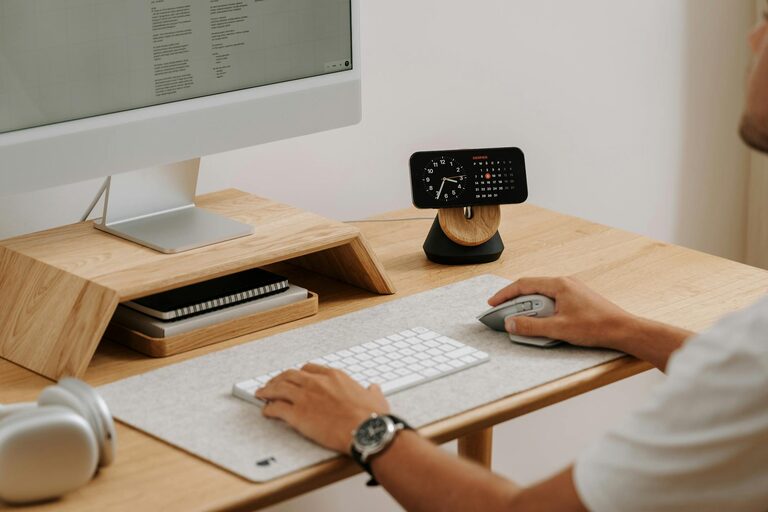
Creating a cozy and productive home office space is essential for anyone who works remotely or spends a significant amount of time handling tasks at home. A well-designed workspace can boost creativity, reduce stress, and improve overall efficiency. In this post, we will explore practical tips to help you set up a home office that feels inviting and supports your productivity.
Why a Good Home Office Matters
Working from home has become more widespread, making the home office a focal point of daily life. Without the proper environment, distractions increase, focus can wane, and motivation may drop. On the other hand, a thoughtfully arranged office encourages discipline, enhances concentration, and even promotes wellbeing.
Choosing the Right Location
Find a Quiet Spot
Look for a place in your home that is as quiet as possible. Ideally, this space should be separate from high-traffic areas like the kitchen or living room, where noises and interruptions are common.
Make Use of Natural Light
Natural light has positive effects on mood and energy. Position your desk near a window to enjoy daylight, but also ensure you can control glare on your screen with adjustable blinds or curtains.
Furniture and Ergonomics
Invest in a Comfortable Chair
A good office chair offers proper lumbar support and adjustable features to maintain correct posture. Comfort is key to preventing back pain and fatigue during long work hours.
Choose a Suitable Desk
The desk should be large enough to accommodate your computer, notebooks, and other essentials, without feeling cluttered. If space is limited, consider a wall-mounted or foldable desk.
Ergonomic Accessories
Consider items like a keyboard tray, mouse pad with wrist support, or a monitor stand to position your screen at eye level. These small additions can prevent strain and enhance comfort.
Organisation and Storage
Declutter Your Workspace
A tidy office helps maintain focus and reduces stress. Regularly clear unnecessary items and minimize distractions on your desk.
Use Storage Solutions
Shelves, drawers, or filing cabinets help keep documents and supplies organised and within reach. Label boxes or folders to quickly find what you need.
Cable Management
Use clips, sleeves, or ties to keep cables neat and prevent tangling. A clean cable setup also improves the overall look of your workspace.
Lighting and Ambience
Combine Different Light Sources
Use a combination of natural light, overhead lighting, and task lighting like a desk lamp. This ensures good visibility without causing eye strain.
Personalise Your Space
Add personal touches like plants, artwork, or photos to make your office inviting. Greenery can improve air quality and create a calming atmosphere.
Control Noise
If noise is unavoidable, consider using noise-cancelling headphones or white noise machines to maintain concentration.
Technology and Connectivity
Reliable Internet Connection
Ensure your workspace has a strong Wi-Fi signal or consider a wired connection to avoid disruptions during video calls or online work.
Efficient Equipment Setup
Arrange your computer, printer, and other devices for easy access and functionality. Use wireless peripherals when possible to reduce clutter.
Establish a Routine and Boundaries
Dedicated Work Hours
Set clear start and finish times to separate work from personal life. This helps maintain work-life balance and prevents burnout.
Keep Breaks Regular
Take short breaks to stretch, hydrate, and rest your eyes. This refreshes your mind and supports sustained productivity.
Communicate Boundaries
Let household members know your work schedule and request respect for your focus time.
Final Thoughts
Creating a home office that feels cozy yet productive does not require a large budget or a complete overhaul. By focusing on location, ergonomics, organisation, lighting, technology, and routines, you can build a space that supports your work and promotes wellbeing. A little planning and care can transform your home office into a place you enjoy spending time in, leading to better concentration and more satisfying workdays.