Creating a home office that feels both cozy and productive is essential for anyone working remotely or managing tasks from home. A well-designed workspace can improve focus, reduce stress, and make working from home more enjoyable. In this article, we’ll explore simple tips to help you transform any space into a comfortable and efficient home office.
Choose the Right Location
Finding the perfect spot for your home office is the first step. Ideally, select a quiet area with natural light and minimal distractions. This could be a spare room, a corner in the living room, or even a nook near a window. Natural light not only brightens the space but can enhance your mood and energy levels throughout the day.
If space is limited, consider using room dividers or a small desk in a less frequented area to create a dedicated workspace. The goal is to have a clear boundary between work and relaxation zones.
Invest in Comfortable Furniture
Comfort plays a vital role in productivity. Choose an ergonomic chair that supports your back and promotes good posture, especially if you spend several hours working each day. Your desk should be the right height to keep your arms at a comfortable angle while typing or writing.
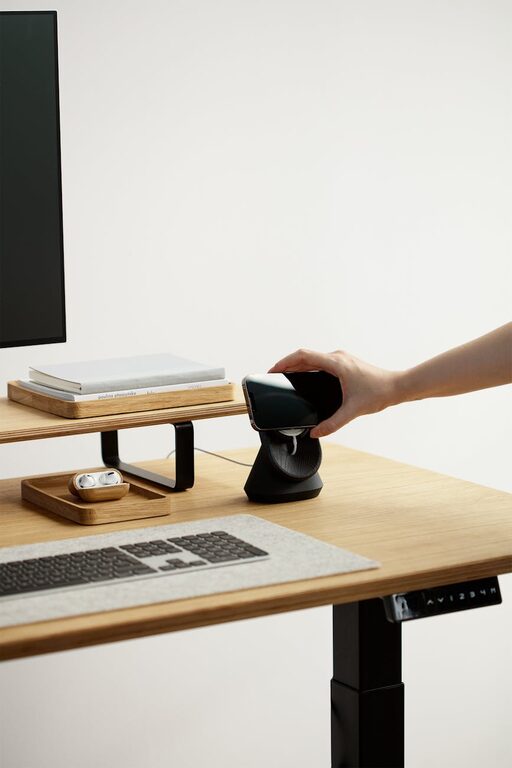
If possible, opt for adjustable furniture, such as a standing desk or a chair with adjustable height. This flexibility helps you change your position and avoid stiffness or fatigue.
Organize Your Workspace
Clutter can be a big distraction. Keep your office tidy by using organizers like trays, shelves, or drawer units to store documents and supplies. A clear desk helps your mind focus better and reduces stress.
Make it a habit to tidy up your workspace at the end of each day. This simple habit creates a fresh start for the next workday and keeps the area inviting.
Add Personal Touches
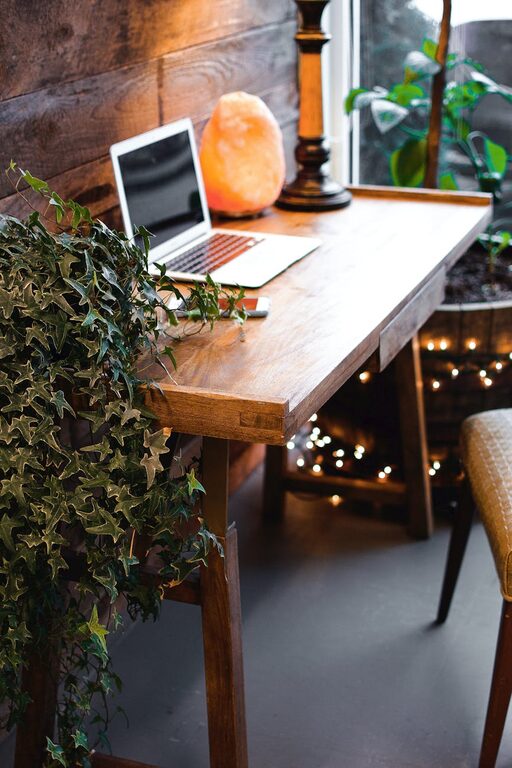
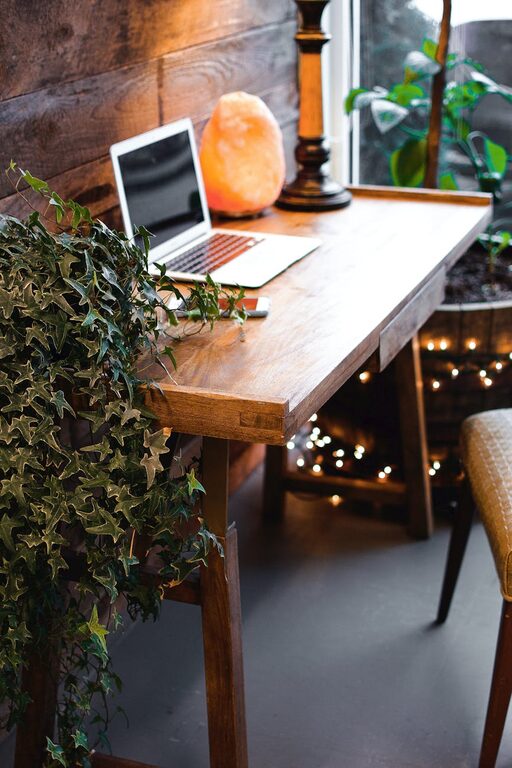
Personalizing your workspace can boost motivation and make you feel more comfortable. Decorate with items that inspire you, such as artwork, plants, or photos of loved ones. A few well-chosen accessories can make your office feel welcoming without overcrowding the space.
Plants are especially beneficial as they add life to the room and improve air quality. Choose low-maintenance options like succulents or spider plants, which thrive in indoor environments.
Optimize Lighting
Proper lighting is crucial for reducing eye strain and maintaining energy. Besides natural light, invest in a good desk lamp with adjustable brightness to provide focused light for detailed tasks.
Avoid harsh fluorescent lights and instead opt for bulbs that offer warm or neutral tones. Position your light source to avoid screen glare or shadows on your work area.
Use Technology Wisely
Keep your tech setup simple and efficient. Ensure your computer, monitor, and other devices have the right placement to prevent neck or wrist strain. Cable management solutions can prevent tangled cords and create a cleaner look.
Additionally, consider noise-cancelling headphones if your environment is noisy, helping you maintain concentration.
Create a Routine and Boundaries
A cozy and productive office is not only about the physical space but also about how you use it. Establish a work routine that includes regular breaks to avoid burnout. Use visual or physical signals, like closing the office door or turning off your computer, to mark the beginning and end of your workday.
Communicate your work hours to family or housemates to minimize interruptions.
Add Comfort Elements
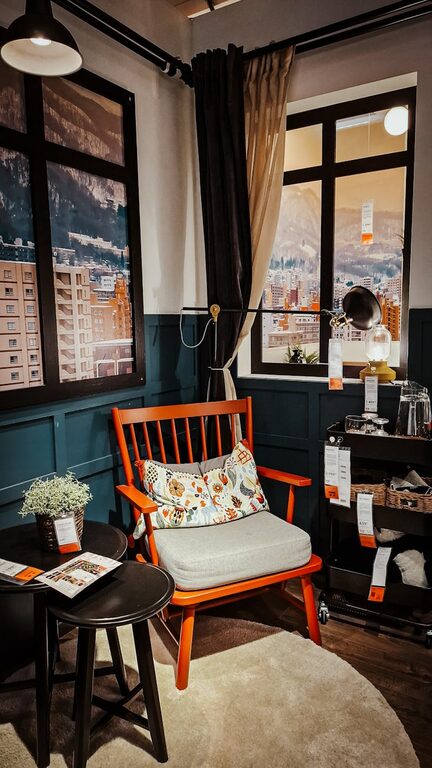
Small comforts can make a big difference. Consider adding a soft rug, a cushion, or a cozy throw blanket to your office chair. A cup warmer or a small diffuser with relaxing scents can also enhance comfort and create a pleasant atmosphere.
Make sure the room temperature is comfortable and that you have access to fresh air whenever possible.
Final Thoughts
Designing a cozy and productive home office doesn’t require a large budget or complicated renovations. By choosing a suitable location, investing in comfortable furniture, keeping your space organized, and adding personal touches, you can create an environment that supports your work and well-being.
Remember to balance aesthetics with functionality, and don’t hesitate to adjust your setup as your needs change. With these simple tips, your home office can become a place you look forward to working in every day.